


Where is All the Pent Up Demand for Real Estate?
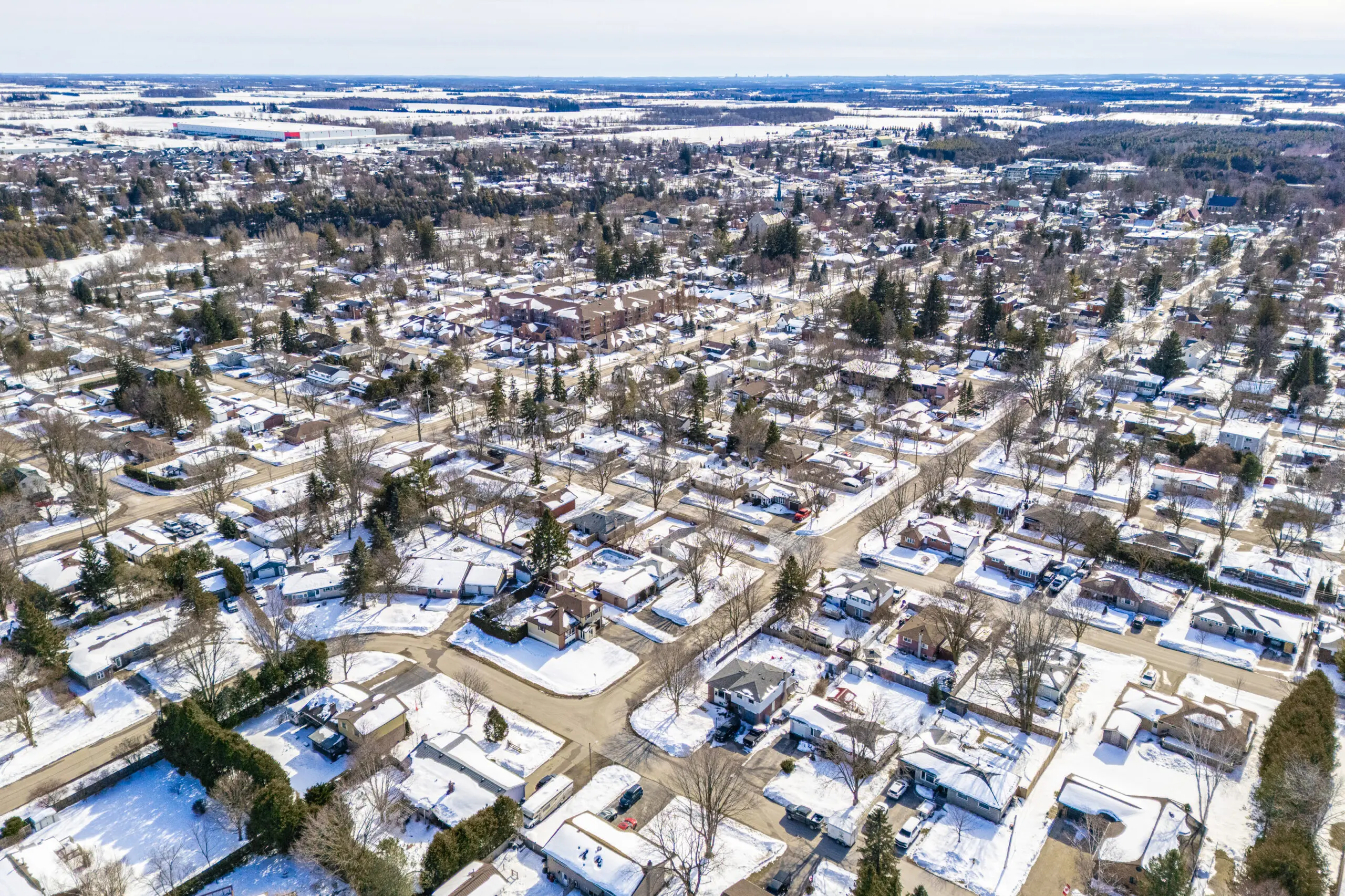
As I write my last monthly article of 2025, I was hoping there would be lots of positivity with respect to the real estate market. Not so much.
Now, there are a lot of realtors talking about a rebound in the Spring and many in our industry continue to talk about all this “pent up demand” for homes. But frankly this is a case of wishful thinking.
Talk about pent up demand has been in the headlines since the last half of 2022 – 3 years ago (eventually the predictions will be right). Don’t get me wrong – like every realtor, I want a big rebound in 2026 too.
But there is simply no data driven indication that suggests there is an upcoming upward swing about to occur in the market.
Although we have somewhat lower interest rates, economic uncertainty is trending in the wrong direction.
Even the stock market is starting to wobble. Power of sales are spiking in the GTA – reflecting increased distress in the marketplace.
Locally, sales activity was lower in November compared to 2024, and inventory levels remain elevated. Downward pressure on pricing continues.
Even with declining prices, affordability remains a real issue. While we tend to fixate on the price of real estate, we are overlooking the fact that incomes are a big part of the problem.
It’s been well documented that Canada’s gross domestic product has deteriorated over the past decade when compared to other countries. Which means individual incomes have fallen behind.
So, while it is true real estate pricing is a factor in affordability, incomes need to improve. This means productivity must improve in our country – sooner than later – otherwise we are going to have bigger problems.
Given all the uncertainty, it shouldn’t be a surprise that buyers are hesitant to enter into this market even with lower interest rates and prices (houses are still selling of course – and there are even good buying opportunities – but there is no denying sales activity overall is very lethargic).
But I want to touch on another issue. I think builders and planners and municipalities need to take a step back and get a better understanding of what today’s buyers actually want (and can afford).
Yes, I know it’s been all about density, density, density over the last decade. And I know the costs of developing – so there is no easy solution here.
However, we have to keep in mind PEOPLE live in houses. Housing shouldn’t be treated as a commodity.
Ever wonder why stacked townhomes aren’t selling on the resale market once investors don’t want them anymore. Because the layouts are generally horrible.
Let’s shoehorn 3 bedrooms into a small space – with hardly any living space and no real dining area. Sounds like a nice space to raise a family – not!
Same goes for all those “dog crate” condos that aren’t selling in Toronto. Are we surprised they are not selling?
Yes, investors originally bought them pre-construction – but never planned on living there. Who wants to live in a condo less than 500 sq ft and wait over 10 minutes for an elevator? Not even the dog likes that (if there is enough room to have a dog in the condo that is).
And if we keep building accommodation with one parking space in Centre Wellington – I’m going to lose my mind (along with the people living there).
Remember the affordability issue? Yes, two people are working and both are probably driving to work – thus, 2 cars.
And have you driven through some new subdivisions lately? It’s easier to drive through an auto dealership.
Come on builders and planners – I understand the economics of building – but start getting more creative to come up with a community design that doesn’t have streets used as parking lots (and simply putting up no parking signs isn’t the answer).
I wish we could be like the Europeans and rely less on the automobile – but given our geography, the reality is cars will be a necessity in our area for the foreseeable future.
I would be remiss not to bring up another big housing issue before I sign off for 2025.
Municipal development charges MUST come down. The cost of housing is often blamed on “greedy developers”. The truth is the cost of overall taxation, building permit costs, comprises almost 30% of building a home.
Government is the culprit here. These costs must be reduced immediately – along with all the costly red tape.
It’s time for government, planners, developers and builders to work together to build communities and homes that people actually want to live in – and can afford to raise a family in. (The correlation between housing affordability & design issues and declining birth rates will have to be a topic for another day.)
Until next month, have a Merry Christmas!
George